
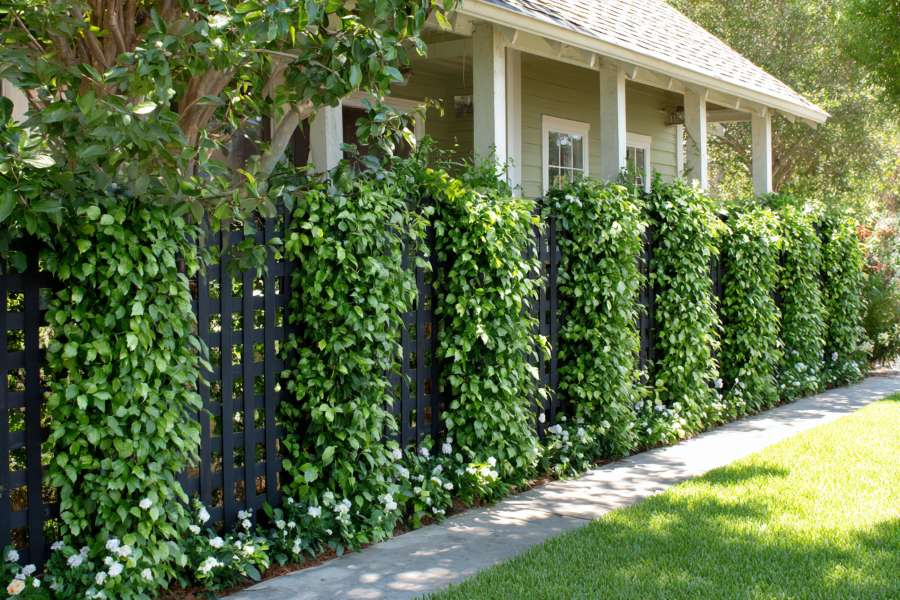
Your fence might be the last thing on your mind when “going green” – but perhaps it shouldn’t be. Everyone talks about energy-efficient appliances and solar panels, but have you ever considered how eco-friendly your backyard fence is? It might sound surprising, but choosing a sustainable fencing option can significantly reduce your home’s environmental footprint. Many home remodelers are actively improving their projects with greener materials, and your fence is no exception. Let’s explore some fantastic eco-friendly fencing options that can transform your home while helping the planet!
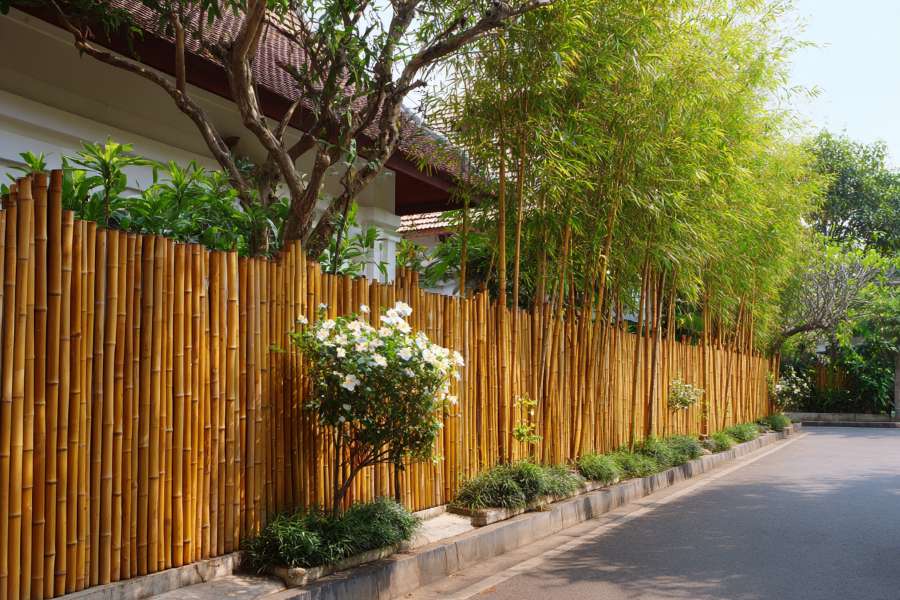
Bamboo has exploded in popularity as an eco-friendly building material, and for good reason – it’s actually a type of grass that can grow incredibly fast, making it highly renewable. In fact, certain bamboo species can grow nearly three feet in just 24 hours under the right conditions! This rapid growth means bamboo plantations can be harvested frequently without depleting the resource or requiring replanting the way trees do. For homeowners seeking a sustainable fencing option, bamboo offers an attractive combination of strength and environmental benefit.
Bamboo fencing typically comes in a few forms. You might envision the tropical look of whole bamboo cane fences – those are made of poles tied together, creating an exotic island vibe that some homeowners love. But bamboo can also be processed into clean, uniform planks or panels (sometimes called engineered bamboo or strand-woven bamboo) that resemble traditional wood boards. These panels can give a modern, upscale appearance while still being eco-friendly at heart. And as an added benefit, Precision Pest mentions that bamboo is naturally resistant to pests and has a tensile strength comparable to steel, so a well-made bamboo fence can stand up to weather when properly installed.
Choosing bamboo supports sustainable agriculture because it regenerates quickly and absorbs carbon dioxide rapidly as it grows. However, it’s wise to look for bamboo products sourced from reputable suppliers – preferably those that use organic growing methods and fair labor practices, since much bamboo is grown overseas. One thing to keep in mind is that raw bamboo can be prone to weathering in harsh climates; to increase its lifespan, bamboo fencing should be treated with a sealant (ideally a non-toxic, water-based one) to protect against moisture and UV damage. With the right care, a bamboo fence provides a beautiful, Zen-like accent to your yard that’s also a conversation starter about sustainability. Speaking of sustainability, not all green fences come from plants – some are engineered from recycled materials, as we’ll see next.
If you like the look of a traditional plank fence but want something that lasts longer with less upkeep, composite fencing might be the perfect eco-friendly choice. Composite fence boards are made from a mixture of recycled plastics and recycled wood fibers (such as sawdust from lumber mills). By using a blend of repurposed materials that might otherwise end up as waste, composite fences give new life to plastic and wood scraps while creating a strong, low-maintenance product for homeowners.
From a sustainability perspective, composite fencing is a smart innovation. Many composite boards boast a very high recycled content – some brands use 95% recycled material in their mix. This means fewer trees need to be cut for fencing, and a lot of plastic packaging or old bottles get diverted from landfills to become fence panels instead. Plus, because composites are designed to be durable (often warrantied for decades), you won’t have to replace the fence frequently. A longer lifespan translates to less frequent consumption of resources over time, another eco win.
What’s it like living with a composite fence? In a word from American Fence Company: easy. Unlike a pure wood fence, composites don’t need yearly staining or painting, and they’re resistant to rot, insects, and warping. The lack of need for chemical-laden paints or preservatives is an environmental bonus and saves you time and money on maintenance. In fact, many remodeling experts recommend composite fencing to homeowners who want a balance of classic style and long-term performance. The appearance of composite boards has improved over the years – they come in various colors and textures, some convincingly mimicking real wood grain. When installed with a nice design, a composite fence can greatly boost curb appeal while you quietly know it’s made of recycled stuff. Before you decide, though, you might be curious about options that are even more “alive” – literally. Let’s talk about fences that grow.
Imagine a fence that isn’t made of inert material at all, but of living plants. Living fences, also known as green hedges or natural screens, are perhaps the most organic way to create privacy and define your property boundary. Instead of building a fence, you grow it! By planting rows of shrubs, trees, or vines, you can form a lush, green barrier that serves the same function as a fence – with added environmental benefits.
The ecological advantages of a living fence are clear. Plants absorb carbon dioxide and produce oxygen, helping clean the air. A thick hedge can provide habitat for birds, butterflies, and beneficial insects, boosting your local biodiversity. It also changes with the seasons, giving your yard dynamic character. For example, a row of evergreens like cedars or hollies can create a year-round privacy screen that’s dense and attractive. Flowering shrubs such as lilac or forsythia add seasonal color to your “fence,” delighting both you and your neighbors. If you prefer a more manicured look, shrubs like boxwood or privet can be trimmed into a neat hedge. Even climbing vines (ivy, jasmine, or roses, for instance) on a simple trellis or wire framework can form a verdant wall over time.
One of the biggest draws of living fences is that they literally give back to the environment as they grow – sequestering carbon, improving soil with their root systems, and reducing stormwater runoff by soaking up rain. A living fence can even improve your home’s microclimate: a line of trees or tall shrubs acts as a windbreak, which can cut down on chilly winds in winter and potentially lower heating needs for your home. It also provides natural cooling and shade in the summer. These practical perks come in addition to the peaceful, green aesthetic that softens your landscape.
Of course, a hedge or plant-based fence does require patience and care. You’ll need to plant appropriate species for your climate and desired height, and be prepared to water and trim them as they establish. Unlike a wood or composite fence, you won’t have instant full-height privacy – plants take a few seasons to fill in. But many homeowners find the journey rewarding. Tending your living fence becomes an enjoyable gardening project, and watching it flourish can be satisfying in a way that a static fence could never be. If you’re not in a hurry for a quick privacy fix, a living fence is arguably the most eco-friendly fencing option available. Now, for those who prefer something more solid yet still sustainable, there are also traditional-looking fences that check the green box – let’s explore metal next.
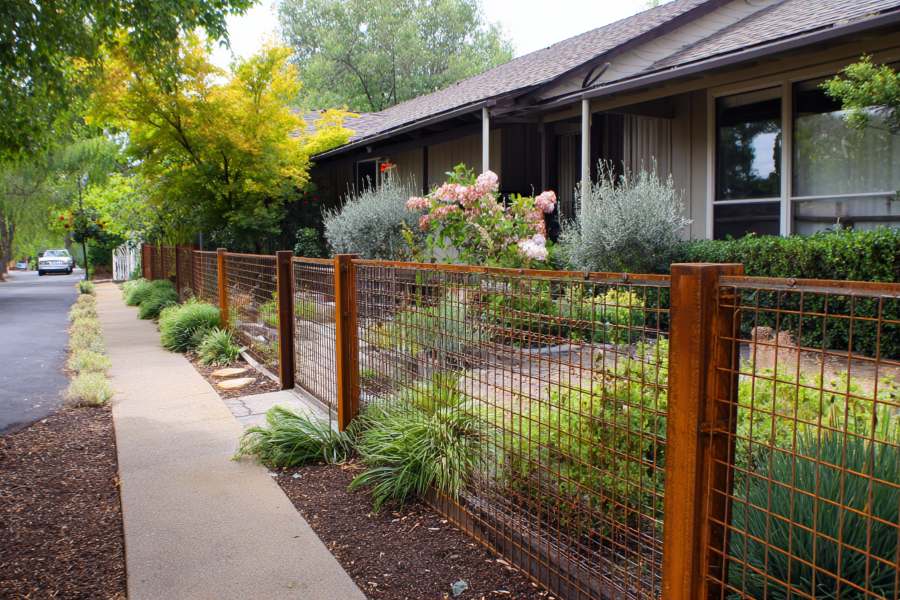
Metal fences (think wrought iron, steel, or aluminum) might not scream “eco-friendly” at first glance, but they can be an excellent sustainable choice when you consider their longevity and recyclability. Recycled metal fencing takes advantage of materials that have already been mined and processed, turning them into new fence panels or posts without the need to extract more raw ore from the earth. If you’ve ever seen a classic wrought iron fence around a historic home, you know metal fences can last for generations – which means less frequent replacement and less waste over time.
Steel and aluminum are among the most recycled materials on the planet. In fact, producing new steel from scrap metal uses about 74% less energy than making steel from raw iron ore. And for aluminum, the energy savings is even more dramatic – recycling aluminum uses around 95% less energy than producing it from bauxite ore. What does this mean for your fence? Opting for a fence made of recycled steel or aluminum significantly cuts down the environmental footprint associated with its production.
One great aspect of using metal is you can also get creative with reuse. Some resourceful homeowners and designers have repurposed old iron gates, pipes, or even bicycle parts to assemble truly unique fences, proving that upcycling is only limited by imagination. Let’s look at a few general tips to maximize the eco-friendliness of whichever fencing option you choose.
No matter what sustainable material you decide on for your fence, here are some expert tips to keep in mind when planning and caring for your fence:
Choosing an eco-friendly fence is more than just a trend – it’s a reflection of a lifestyle that values sustainability at every turn. Whether you fell in love with the weathered look of reclaimed wood, the quick renewability of bamboo, the high-tech resilience of composite, the living beauty of a hedge, or the enduring strength of recycled metal, you have the power to make your property’s boundary a statement of environmental responsibility.
At Oak and Steel Remodeling, we’ve seen first-hand how incorporating sustainable materials can transform not just a home’s look, but also how the homeowners feel about their project. There’s a special kind of satisfaction in knowing your beautiful new fence is also doing right by the planet. So, as you plan your next remodel or outdoor upgrade, consider extending your eco-conscious values to the edges of your yard.
In the end, sustainable fencing is about building boundaries without limiting your commitment to the environment. It’s one more way to ensure your home is truly your sanctuary – for you, and for the Earth.
Award-winning home remodeling for Phoenix homeowners. Kitchens, bathrooms, whole-home renovations, and more. Serving the Valley for over 25 years.
Marketing by Soderman SEO Company in Phoenix
Phone
(602) 502-1285Service Area
Phoenix Metro Area, AZ
Hours
Mon-Fri 8am-6pm · Sat 9am-2pm
© 2026 Oak and Steel Remodeling. All rights reserved.